PCOS treatment homeopathy is a topic many women explore when looking for complementary approaches to managing irregular periods, acne, unwanted hair growth, weight-related concerns, or difficulties with ovulation. Polycystic ovary syndrome (PCOS) is a complex hormonal and metabolic condition, and its management should be individualized according to symptoms, reproductive goals, metabolic health, and overall well-being. Homeopathy should not be considered a replacement for appropriate medical evaluation or evidence-based PCOS care.
Can PCOS Be Completely Cured?
PCOS is generally regarded as a long-term condition rather than a disease with a single permanent cure. However, symptoms and associated health risks can often be managed effectively.
The objective of PCOS management may include regulating menstrual cycles, improving metabolic health, managing androgen-related symptoms, supporting fertility, maintaining healthy body composition, and improving quality of life.
The 2023 International Evidence-Based Guideline recommends healthy lifestyle management for women with PCOS, including sustainable physical activity and healthy eating. Importantly, benefits from lifestyle changes can occur even when significant weight loss does not occur.
What Does PCOS Treatment Homeopathy Involve?
When people search for PCOS treatment homeopathy, they are often looking for an individualized approach based on their particular symptoms and overall health profile.
Homeopathic practitioners typically consider the individual’s symptoms, menstrual pattern, general wellbeing, and other personal characteristics when selecting a remedy. However, it is important to distinguish between an individualized complementary-care approach and scientifically established treatment.
At present, major international evidence-based PCOS guidelines do not recommend homeopathy as a proven treatment for PCOS. Therefore, patients should be cautious about claims that homeopathic medicines can permanently cure PCOS, restore fertility in every case, dissolve ovarian cysts, or normalize hormones without appropriate medical assessment.
Anyone considering PCOS treatment homeopathy should discuss complementary treatment with a qualified healthcare professional, particularly if they are taking prescription medicines, trying to conceive, pregnant, or experiencing prolonged absence of periods.
Why Individual Assessment Matters
PCOS can present differently from one person to another. Two women may both receive a PCOS diagnosis but have very different symptoms and health priorities.
For example:
Person A: Irregular periods and acne may be the main concerns.
Person B: Difficulty conceiving and irregular ovulation may be the primary concern.
Person C: Metabolic abnormalities and weight management may require greater attention.
Person D: Excess hair growth and scalp hair thinning may be the most troublesome symptoms.
This is why PCOS treatment homeopathy should never be approached as a generic remedy or self-medication strategy.
A healthcare professional may recommend appropriate assessments based on symptoms and risk factors. Depending on the individual, these may include evaluation of menstrual history, androgen-related symptoms, glucose metabolism, lipid profile, blood pressure, thyroid function, and other conditions that can resemble PCOS.
Lifestyle Management and PCOS
Lifestyle management is one of the central components of PCOS care. The international guideline recommends physical activity and healthy eating for women with PCOS because these measures can improve metabolic health and overall well-being.
Helpful habits can include:
1. Regular Physical Activity
Adults are generally encouraged to achieve 150–300 minutes of moderate-intensity aerobic activity per week, or an equivalent amount of vigorous activity, together with muscle-strengthening activities on at least two non-consecutive days. Individual requirements may vary.
Walking, cycling, swimming, strength training, dancing, and other enjoyable activities can all contribute to a sustainable routine.
2. Balanced Nutrition
There is no single PCOS diet that is universally superior. Current guidelines emphasize sustainable healthy eating rather than highly restrictive diets.
A balanced eating pattern can include:
- Vegetables and fruits
- Whole grains and high-fibre foods
- Adequate protein
- Healthy sources of fats
- Appropriate portions
- Limited highly processed foods and excess added sugars
Dietary choices should be adapted to individual preferences, nutritional requirements, culture, and health goals.
3. Adequate Sleep
Poor sleep can affect energy, appetite, mood, and general metabolic health. Maintaining a consistent sleep schedule and addressing persistent sleep problems can therefore be an important part of comprehensive PCOS care.
4. Stress Management
PCOS can affect emotional wellbeing, body image, confidence, and quality of life. Relaxation techniques, physical activity, social support, counselling, or psychological therapy may be useful depending on individual needs.
PCOS, Fertility and Ovulation
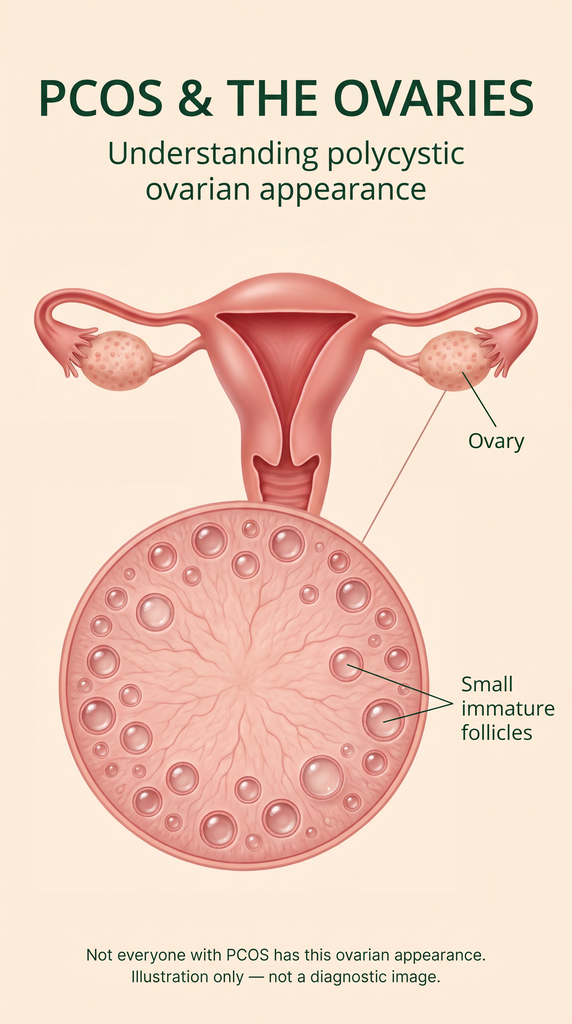
One of the major concerns associated with PCOS is irregular ovulation. However, having PCOS does not automatically mean that pregnancy is impossible.
For women with PCOS who are infertile because of anovulation and have no other infertility factors, the 2023 international guideline recommends letrozole as the first-line pharmacological treatment for ovulation induction. Other fertility treatments may be considered depending on individual circumstances.
Therefore, women exploring PCOS treatment homeopathy for fertility should not delay appropriate fertility evaluation or evidence-based treatment.
A fertility specialist may need to evaluate both partners and consider factors such as ovulation, ovarian function, fallopian tube patency, semen analysis, age, and other reproductive factors.
What About PCOS Medicines?
Depending on symptoms and treatment goals, clinicians may recommend different medications.
For menstrual irregularity and androgen-related symptoms, combined oral contraceptive pills may be considered. Metformin may be particularly useful for certain metabolic features and can have a role in some women with PCOS-related infertility.
The choice of medicine depends on the individual’s medical history, contraindications, reproductive plans, and treatment objectives.
This is another reason PCOS treatment homeopathy should not be used as a reason to discontinue prescribed medication without consulting the prescribing doctor.
When Should You See a Doctor?
Professional evaluation is particularly important if you experience:
- Periods that are consistently irregular or absent
- Unexplained excessive hair growth
- Rapid or significant hair loss
- Persistent or severe acne
- Difficulty becoming pregnant
- Significant unexplained weight changes
- Symptoms suggesting diabetes or metabolic problems
- Abnormal bleeding
- Severe pelvic pain
- New or rapidly worsening symptoms
Women with prolonged menstrual irregularity should not simply assume that PCOS is the cause. Other hormonal and reproductive conditions may produce similar symptoms.
Choosing a Responsible Approach to PCOS Care
If you are considering PCOS treatment homeopathy, look for a qualified practitioner who takes a comprehensive history and encourages appropriate medical investigations rather than promising a guaranteed cure.
A responsible approach should include:
- Proper assessment before treatment
- Discussion of existing medications
- Consideration of fertility goals
- Lifestyle guidance
- Appropriate medical referrals when necessary
- Monitoring of symptoms and relevant health parameters
- Clear communication about the limitations of available evidence
For individuals interested in complementary care, Shivaay Homoeopathy can be explored as a professional homeopathy-focused healthcare option. Visit to learn more about its approach and services.
Final Takeaway
PCOS treatment homeopathy is increasingly searched by women looking for complementary approaches to a complex hormonal condition. However, PCOS requires an individualized and evidence-informed management strategy. Healthy eating, regular physical activity, psychological wellbeing, appropriate monitoring, and evidence-based medical or fertility treatment can all have important roles.
Homeopathy may be considered by some individuals as a complementary healthcare approach, but current international PCOS guidelines do not establish it as a proven treatment for PCOS. The safest strategy is to seek professional evaluation, understand the available evidence, and make treatment decisions in consultation with qualified healthcare professionals.
Frequently Asked Questions
Can homeopathy cure PCOS permanently?
There is currently insufficient high-quality evidence to establish homeopathy as a treatment that permanently cures PCOS. PCOS is generally managed through individualized lifestyle, medical, reproductive, and symptom-focused care.
Can homeopathy regulate periods in PCOS?
Some people seek PCOS treatment homeopathy for menstrual irregularity, but evidence does not establish homeopathy as an effective treatment for restoring regular menstrual cycles. Persistent irregular periods should be evaluated by a qualified healthcare professional.
Can PCOS be managed without weight loss?
Yes. Healthy lifestyle changes can provide health benefits even when substantial weight loss does not occur. The PCOS guideline specifically recognizes benefits from healthy lifestyle behaviours independent of weight loss.